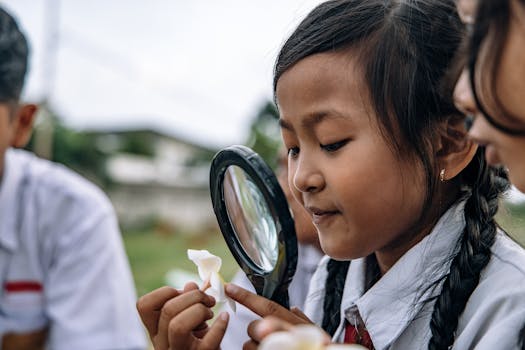




Hey there! So, college is on the horizon, huh? It’s a pretty huge step, isn’t it? One minute you’re figuring out high school, and the next, you’re packing boxes and dreaming of lecture halls. It can feel a bit overwhelming, I get it. But honestly, with a little foresight and some smart strategies, you can set yourself (or your student!) up for a truly amazing experience. Let’s dive into some of the best tips for preparing students for college life that actually make a difference.
Beyond the Books: Cultivating Essential Life Skills
College isn’t just about absorbing information; it’s about learning to live. This means developing those crucial life skills that will serve you long after graduation. Think about it: you’re about to gain a lot more independence, and that comes with responsibilities.
#### Mastering the Art of Time Management
This is probably the big one. Juggling classes, studying, social life, maybe a part-time job, and don’t forget sleep – it’s a delicate balancing act.
Get a Planner (Digital or Physical): Seriously, find a system that works for you and stick to it. Mark down deadlines, study sessions, social events, and even personal appointments.
Break Down Big Tasks: That 10-page paper can feel daunting. Break it down into smaller, manageable steps: research, outline, draft section 1, draft section 2, edit, etc.
Learn to Say No: It’s okay not to attend every single event or join every club. Prioritize what’s important to you. Overcommitting is a fast track to burnout.
#### Budgeting Like a Boss
Ah, money. For many, this is the first time managing a significant budget independently. Understanding where your money goes is key to avoiding stress.
Track Your Spending: Use an app, a spreadsheet, or even a notebook. See where your cash is actually going.
Distinguish Needs vs. Wants: That daily latte might feel necessary, but is it really? Making conscious choices can save a surprising amount.
Explore Student Discounts: Seriously, they’re everywhere! From software to movie tickets, always ask if there’s a student rate.
Building a Strong Academic Foundation
While life skills are vital, let’s not forget why you’re going to college in the first place – to learn and grow intellectually!
#### Understanding the Academic Landscape
College courses are different from high school. Professors expect more self-direction and critical thinking.
Preview Syllabi Carefully: These are your roadmaps. Understand the grading breakdown, required readings, and assignment due dates.
Attend All Classes (Seriously!): Even if attendance isn’t mandatory, attending lectures provides context, nuances, and often, hints about what the professor deems important. I’ve seen so many students miss out on key insights just by skipping a single lecture.
Form Study Groups: Collaborating with peers can be incredibly beneficial. Explaining concepts to others solidifies your own understanding.
#### Proactive Learning and Seeking Help
Don’t wait until you’re drowning to ask for help. Proactive engagement is a game-changer.
Utilize Office Hours: Professors hold these for a reason! It’s a fantastic opportunity to clarify doubts, discuss topics further, or simply build a rapport.
Explore Academic Support Services: Most colleges offer writing centers, tutoring services, and academic advisors. These resources are there to help you succeed.
Develop Effective Note-Taking Strategies: Experiment with different methods – Cornell, outline, mind mapping – to find what helps you retain information best.
The Social Symphony: Making Connections That Matter
College is a melting pot of new people and experiences. Building a supportive social network is just as important as acing your exams.
#### Stepping Outside Your Comfort Zone
It can be daunting, but pushing yourself to meet new people is crucial for a fulfilling college experience.
Join Clubs and Organizations: Whether it’s something you’re passionate about or something entirely new, clubs are fantastic for finding like-minded individuals.
Engage in Dorm Life: Your residence hall is often your first community. Attend floor events, strike up conversations with your RA, and get to know your neighbors.
Be Open to New Friendships: Don’t limit yourself to people who are exactly like you. Diversity in friendships enriches your perspective.
#### Nurturing Well-being and Mental Health
This is a big one, and often overlooked in the excitement. The transition can be tough, and it’s important to prioritize your mental and emotional health.
Establish Healthy Routines: Regular sleep, balanced meals, and some form of physical activity can make a world of difference to your mood and energy levels.
Know Your Support Systems: Identify campus counseling services, trusted advisors, or even friends you can confide in when things get tough. There’s no shame in seeking help.
Practice Self-Care: This isn’t selfish; it’s essential. Whether it’s reading a book, listening to music, or going for a walk, carve out time for yourself.
Preparing for the Unexpected: Building Resilience
Life, even college life, rarely goes exactly according to plan. Building resilience is one of the most valuable skills you can cultivate.
#### Developing Problem-Solving Skills
You’ll encounter challenges, from roommate disputes to academic setbacks. Learning to navigate these smoothly is part of growing up.
Approach Problems Systematically: Identify the issue, brainstorm potential solutions, evaluate them, and then take action.
Seek Feedback and Advice: Don’t be afraid to ask for guidance from mentors, advisors, or even trusted peers. Sometimes an outside perspective is all you need.
Learn from Mistakes: Every setback is an opportunity to learn. Don’t dwell on errors; instead, figure out what you can do differently next time.
#### Embracing Independence Responsibly
This is your time to shine independently, but it also means taking responsibility for your choices and actions.
Understand Campus Policies: Familiarize yourself with rules regarding academics, conduct, and safety.
Communicate Effectively: Whether it’s with professors, roommates, or family, clear and respectful communication is key.
Stay Connected (But Not Too Connected): While it’s important to foster independence, maintaining connections with family and old friends can provide a vital sense of grounding.
Wrapping Up: Your College Adventure Awaits!
So there you have it – a dive into some of the most impactful best tips for preparing students for college life. It’s a multifaceted journey, encompassing academics, personal growth, social connections, and resilience. By focusing on developing these life skills alongside your studies, you’re not just preparing for college; you’re preparing for a successful and fulfilling future.
Now, the real question is: What’s one small step you can take today to start preparing for your college journey?